YouTube
 Facebook
 Instagram
 Newsletter
Lanice conchilega

DE: Bäumchenröhrenwurm
EN: Sand mason worm
ES: Gusano albañil
FR: Ver maçon
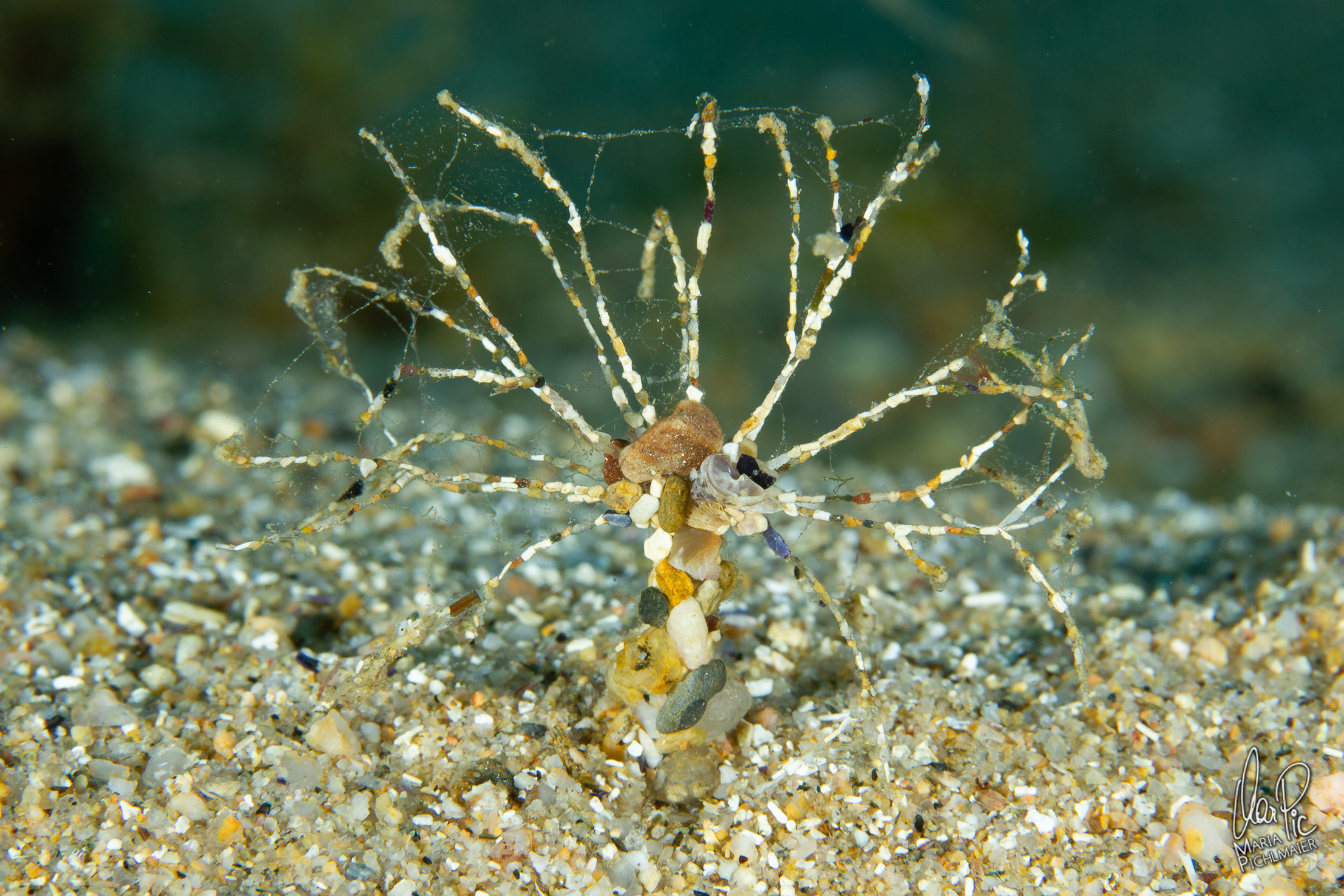
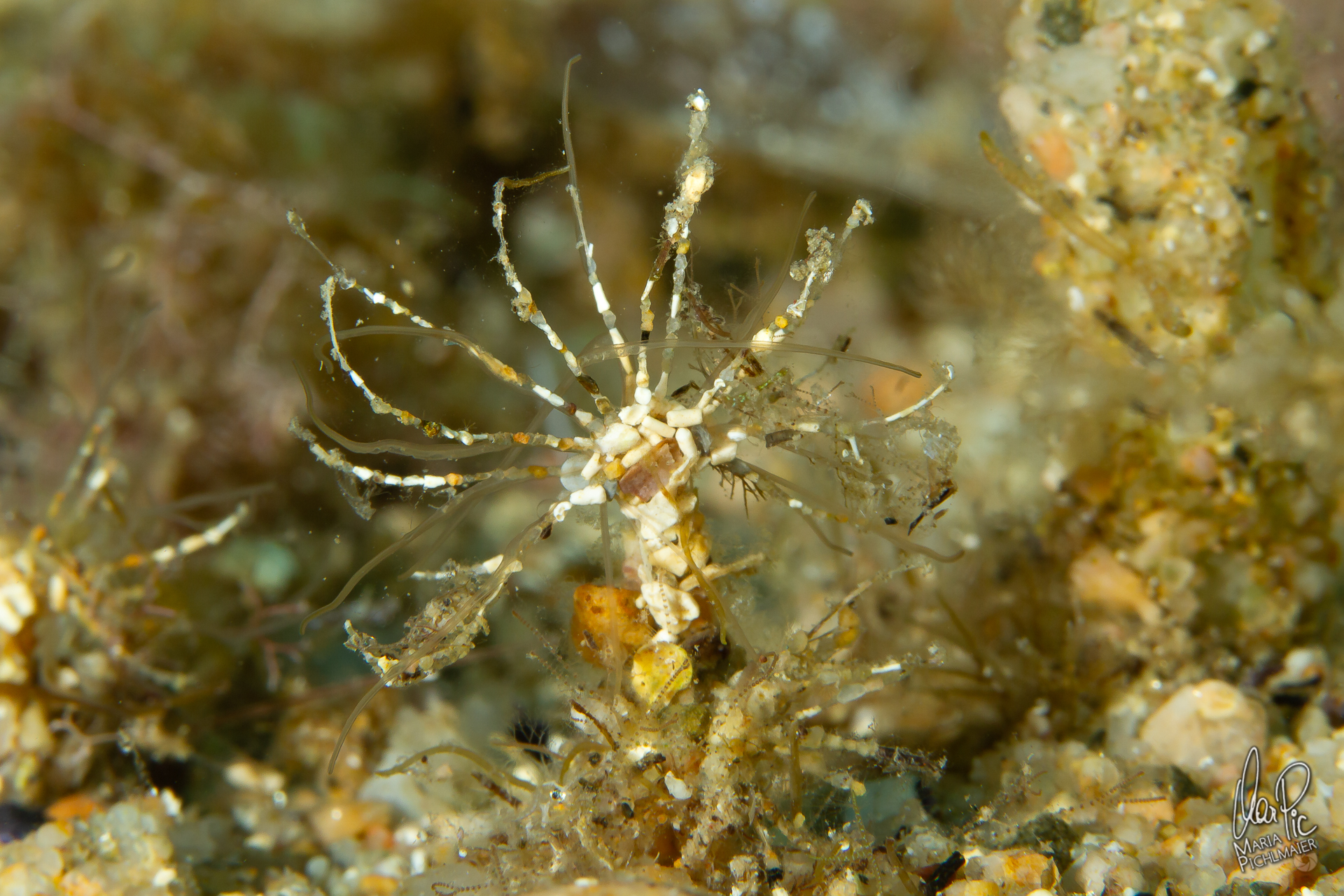
An architectural polychaete: Lanice conchilega builds stable dwelling tubes from sand and shell fragments, shaping coastal landscapes from the North Sea tidal flats to the Mediterranean. In the Catalonian coastal region it is called “cuc paleta” or “gusano albañil” – the “bricklayer worm”.
Profile and identifiable characteristics
- Scientific name: Lanice conchilega
- Group: Polychaete (Annelida), family Terebellidae
- Size: Body up to about 30 cm; the tube can be longer and usually protrudes 1–2 cm from the sediment
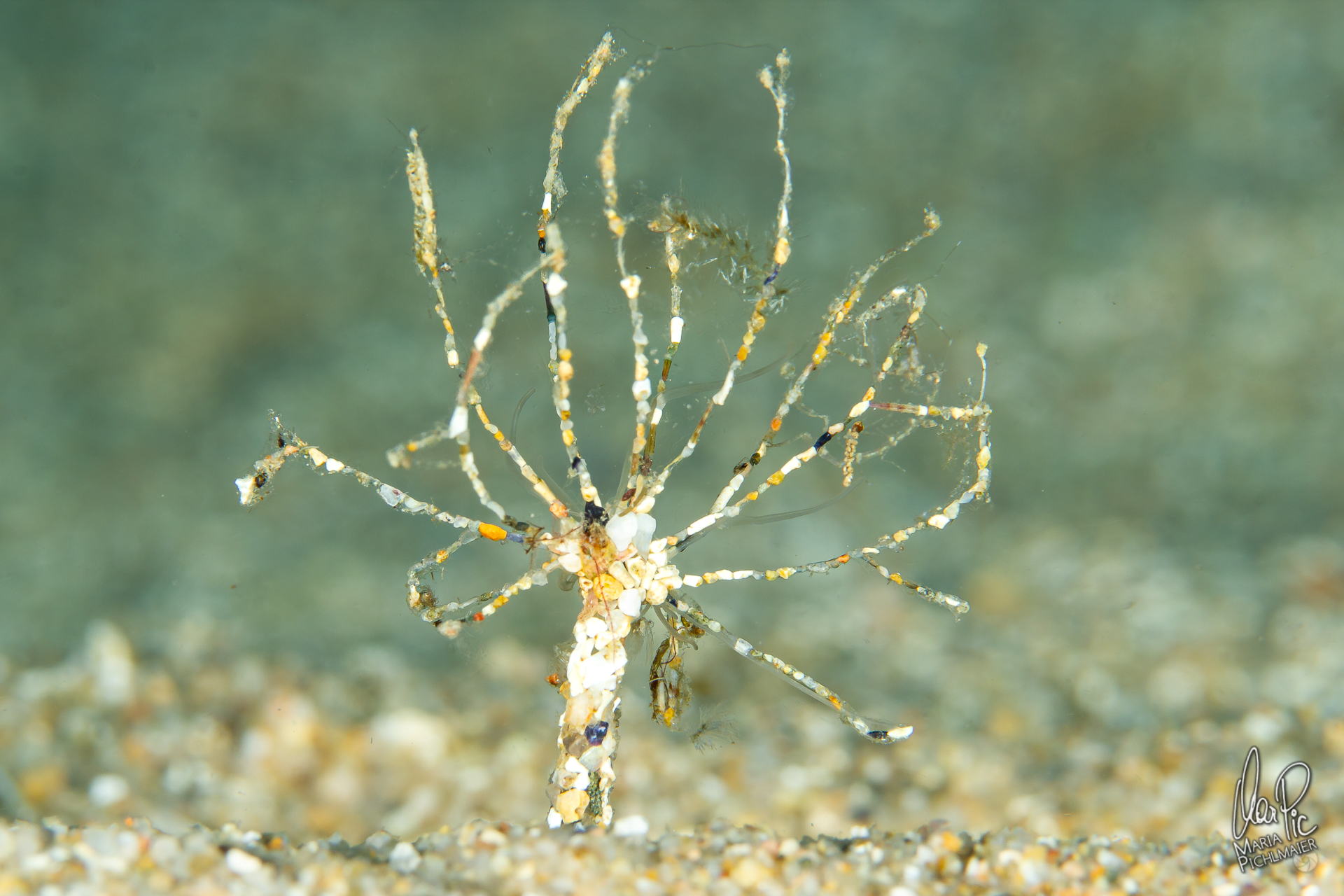
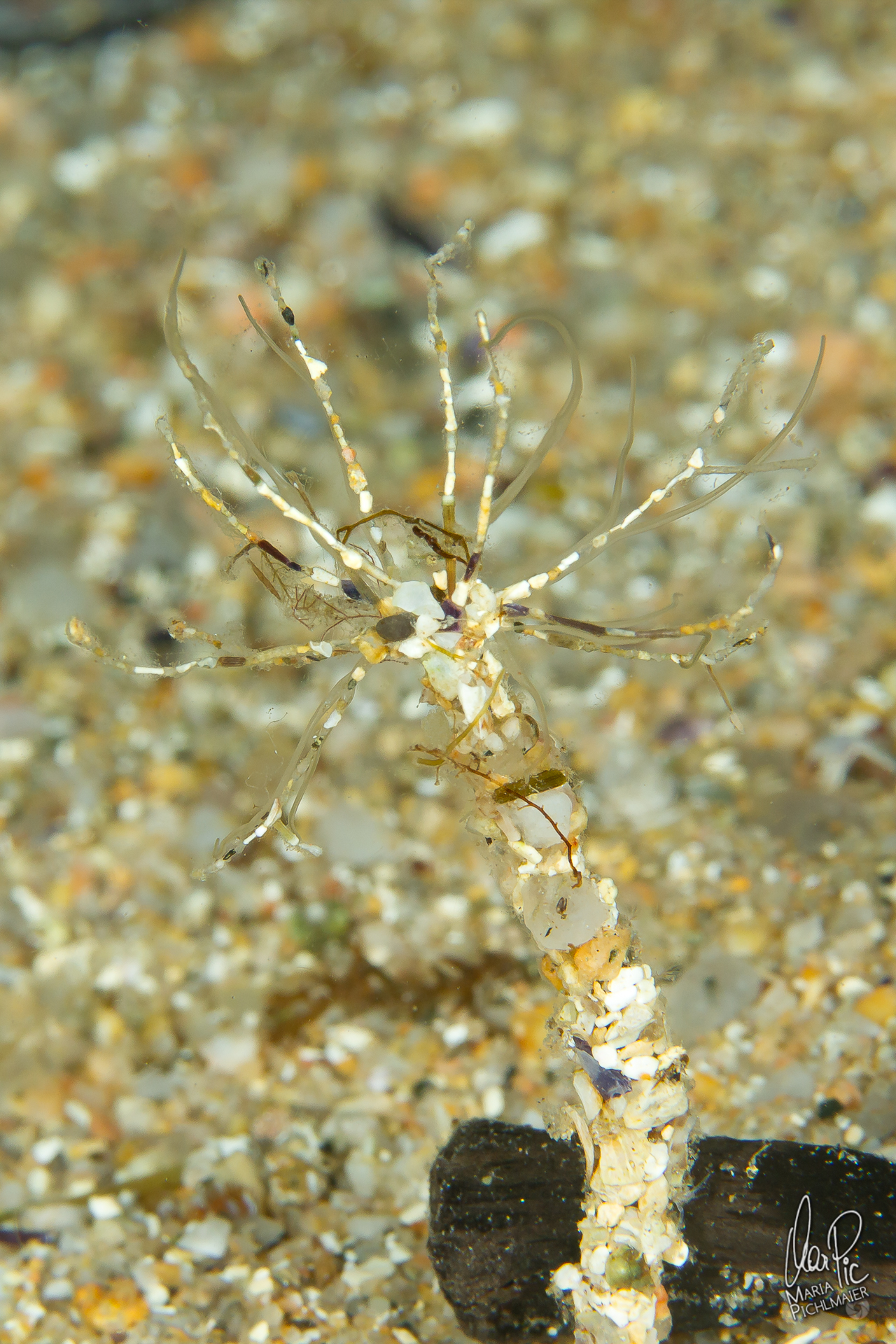
- Characteristics: Cylindrical anterior body, long abdomen; a fine crown of tentacles used for particle capture
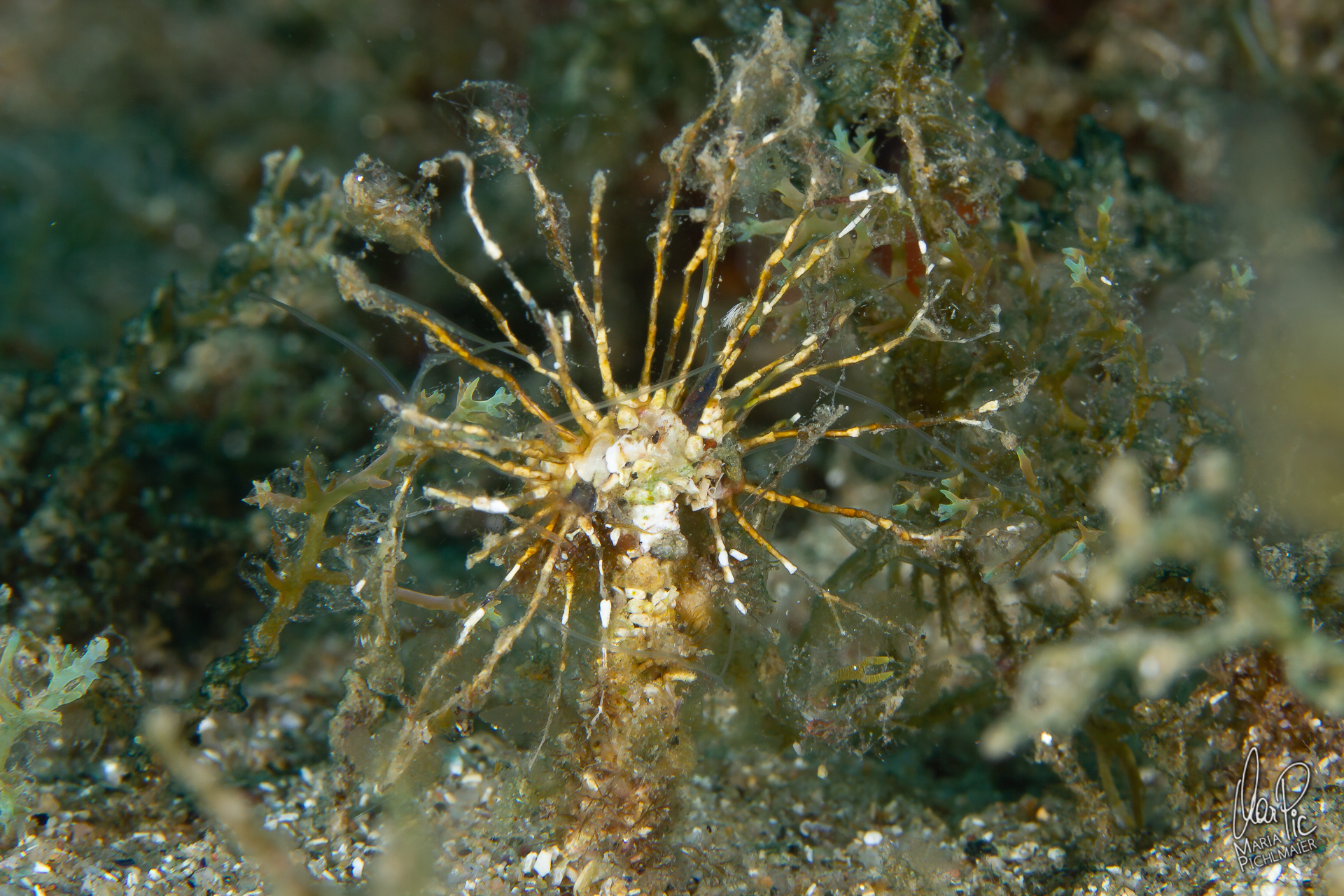
- Tube: Built from sand grains and shell fragments, cemented with secretions; the opening often appears branched or bushy
- Coloration: Yellowish to brownish; tentacles and gills range from pale to reddish, often covered with sand
Habitat and distribution
- Habitat: Sandy to fine‑shell substrates, from shallow water into sublittoral zones
- Depth: Common from around 5 m; in the Mediterranean also 8–12 m and deeper
- Distribution: Eastern Atlantic, North Sea, Mediterranean, and other temperate to subtropical coasts
- Occurrence: As solitary individuals or loose aggregations in the Mediterranean; in the Wadden Sea occasionally forming dense “tube fields”
Ecological role
- Habitat structuring: The tubes stabilize sediments, reduce water flow, and create microhabitats
- Feeding: Particle feeder; fine organic particles and plankton are collected with the tentacles
- Biodiversity: Tube colonies increase species diversity by providing shelter and structural complexity
- Dynamics: After disturbance, the worm can quickly construct a new tube
Mediterranean characteristics
- Camouflage: Tentacles often covered with sand grains; hence regional names such as “gusano albañil” (bricklayer worm)
- Appearance: Less conspicuous colours and a more subdued tentacle crown compared to nutrient‑rich shallow‑water habitats
- Photography note: Its presence is often revealed only by the branched tube opening or subtle movement of fine particles
Funfacts
- Builder: The worm actively “mortars” its tube – collecting grains, gluing them together, and constructing the tube section by section
- Two faces: From “underwater forests” in the Wadden Sea to discreet solitary tubes along the Costa Brava
- Larval phase: Free‑swimming in the plankton, then settling into the sediment and beginning tube construction
- Resilience: When removed from its tube, it starts rebuilding — an impressive adaptation to dynamic coastlines