YouTube
 Facebook
 Instagram
 Newsletter
🌊 Ctenophores:
they look like jellyfish, but they aren't.
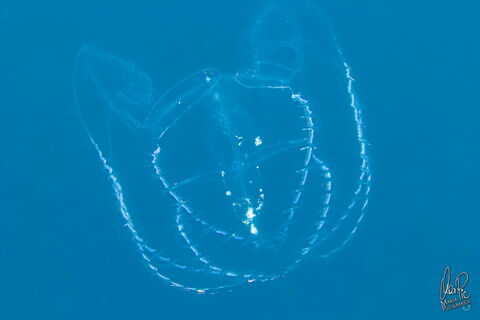
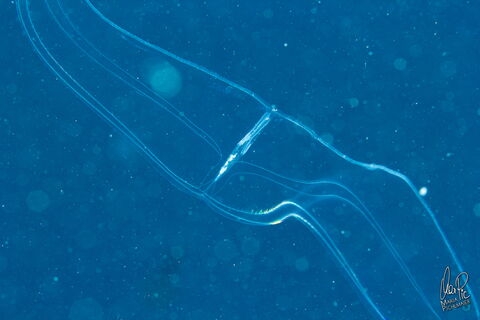
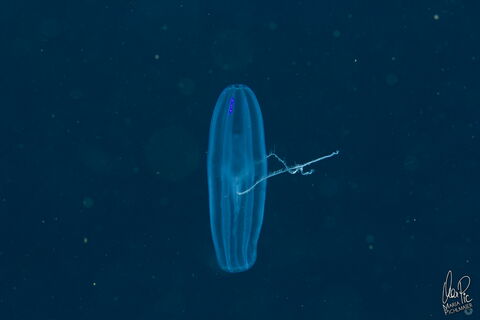
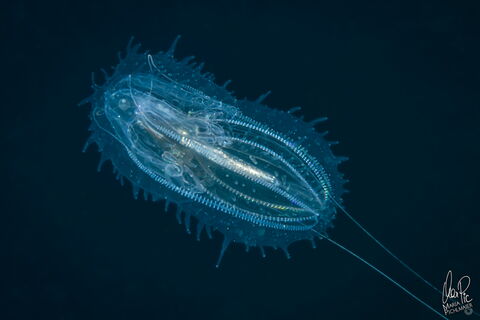
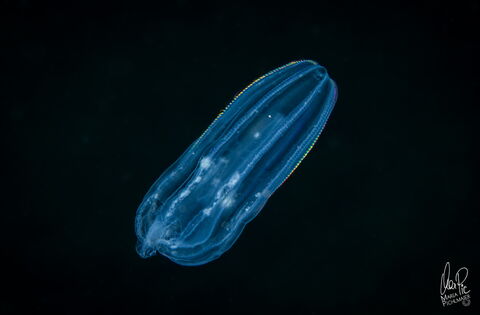
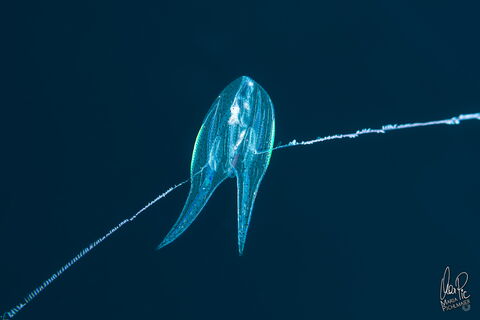
The Ctenophora, commonly known as comb jellies, form their own phylum of marine animals. They resemble true jellyfish at first glance, but their biology is fundamentally different. Their transparent bodies, the eight shimmering rows of ciliary plates, and their graceful drifting movement make them appear jellyfish‑like, yet they lack stinging cells and instead use colloblasts to capture prey. Ctenophores represent an ancient and distinct evolutionary lineage of the world’s oceans.
🧬 Key characteristics
-
Transparent, gelatinous body with eight characteristic rows of ciliary combs
-
Locomotion powered by cilia, not muscular contraction
-
Tentacles equipped with colloblasts instead of stinging cells
-
Found worldwide, from coastal waters to the deep sea
🌍 Habitat & ecological role
Comb jellies inhabit all oceans and play an important role in the planktonic food web. Some species can significantly influence entire ecosystems when they occur in large numbers.
⭐ Why they fascinate
Their iridescent light effects, their floating, delicate movement, and their complete harmlessness to humans make them one of the most mesmerizing sights in the open ocean.